Latest posts
-
The Dark Side of Red Light Therapy: What Nobody Tells You
Quick Summary Some possible downsides to red light therapy are: potential eye damage from prolonged exposure without protection, complicated dosing that can lead to irritation or overstimulation if overdone, skin reactions (worsening rosacea, melasma, acne, or photosensitivity), medication interactions increasing sensitivity, missing long-term safety data after years of use, significant time and cost commitments, huge
-
Do I Put Anything on My Skin Before Red Light Therapy? It Depends. Pt2
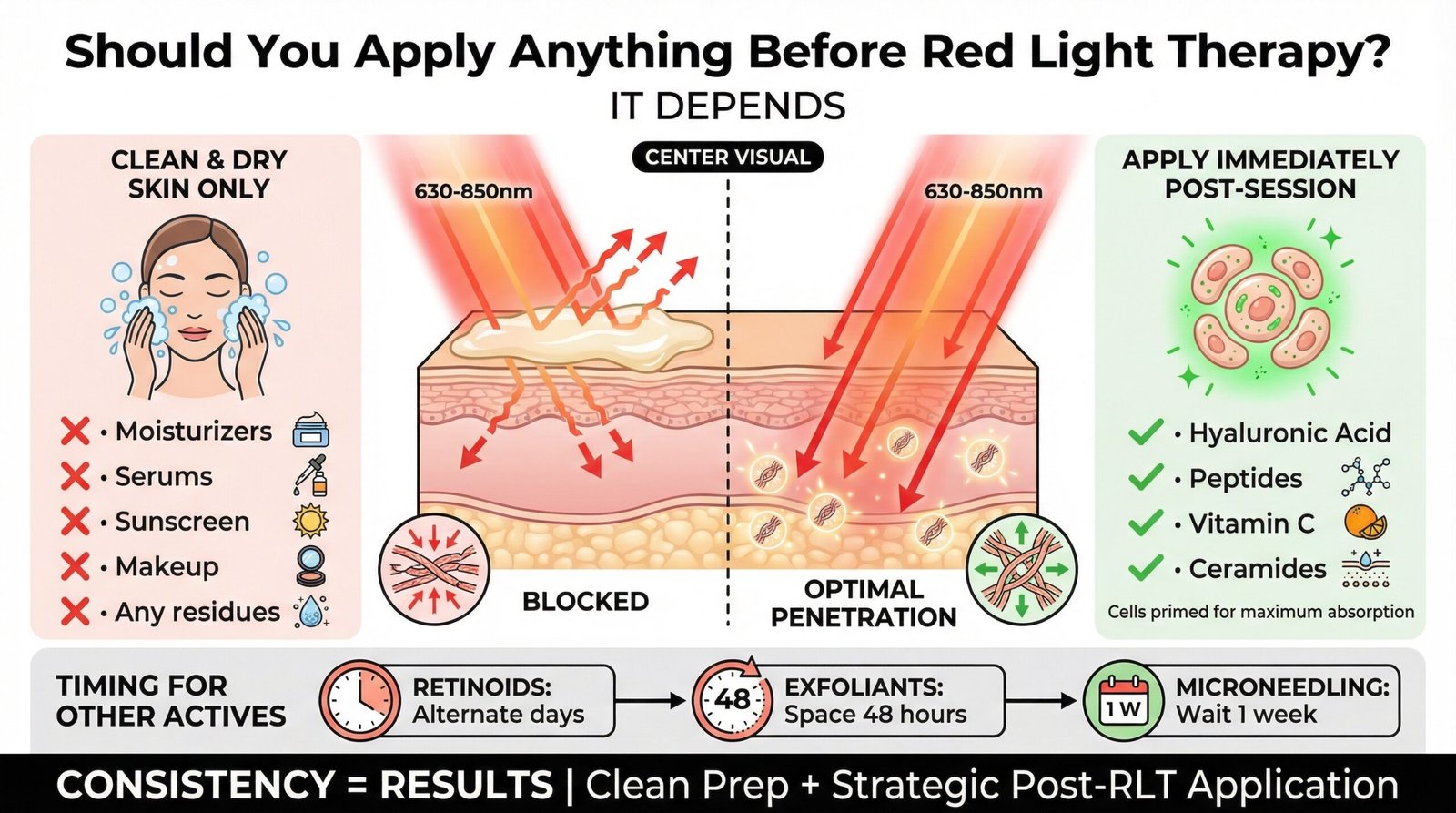
Quick Summary For red light therapy (RLT) to be most effective, your skin should be completely clean and dry before each session. Apply nothing (no moisturizers, serums, sunscreens, makeup, or residues) in most cases, as these create barriers that scatter, reflect, or absorb the therapeutic wavelengths (630–850 nm), reducing light penetration to target cells for
-
Do I Put Anything on My Skin Before Red Light Therapy? It Depends. Pt1
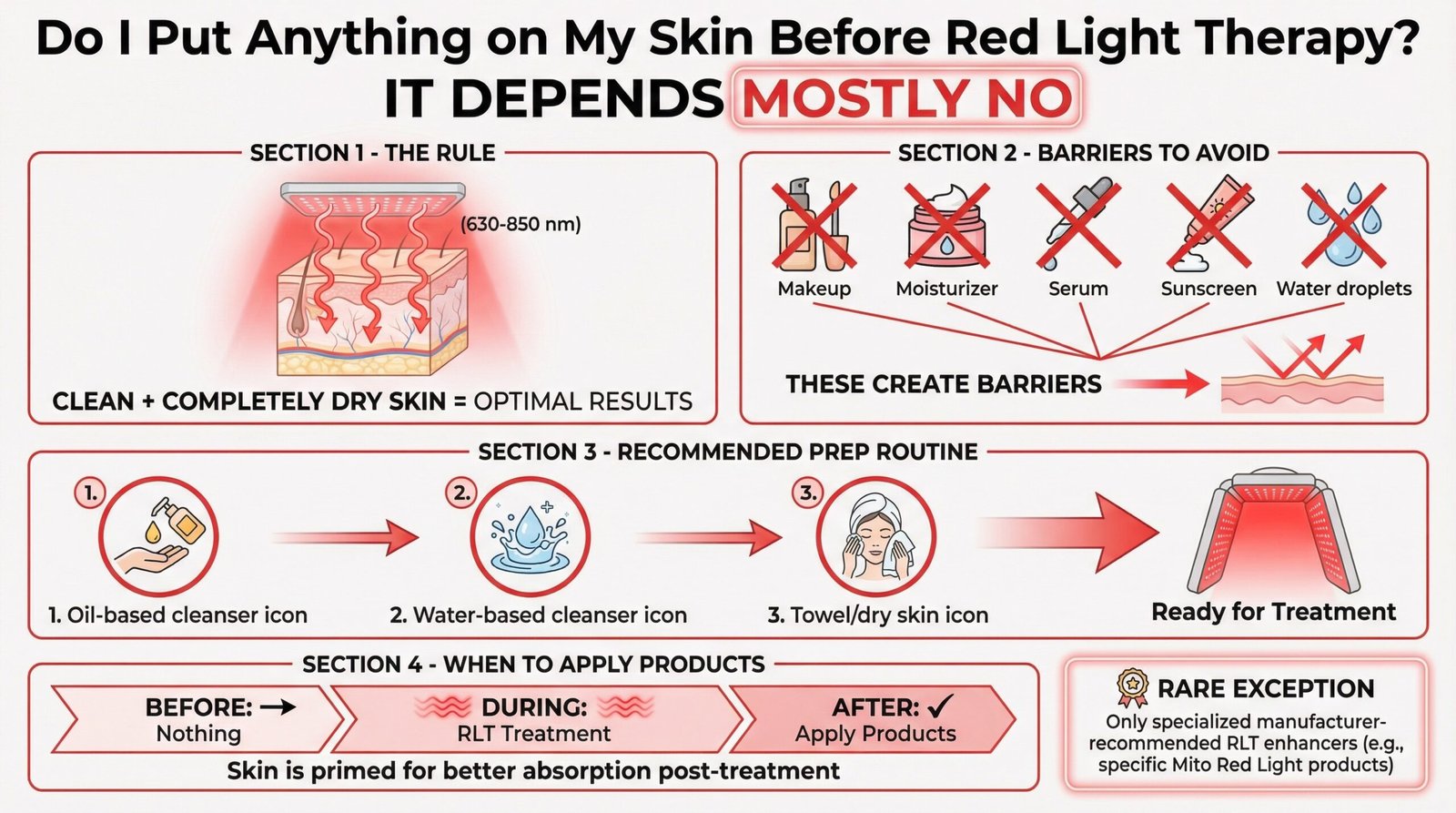
Quick Summary For red light therapy (RLT) to work effectively, apply nothing to your skin beforehand in most cases. Clean, completely dry skin is ideal to ensure therapeutic wavelengths (630-850 nm) penetrate deeply without scattering, absorption, or reflection caused by products. Makeup, moisturizers, serums, sunscreens (especially mineral), and even moisture films create barriers that reduce
-
How Do You Get the Best Results with Red Light Therapy? Pt2
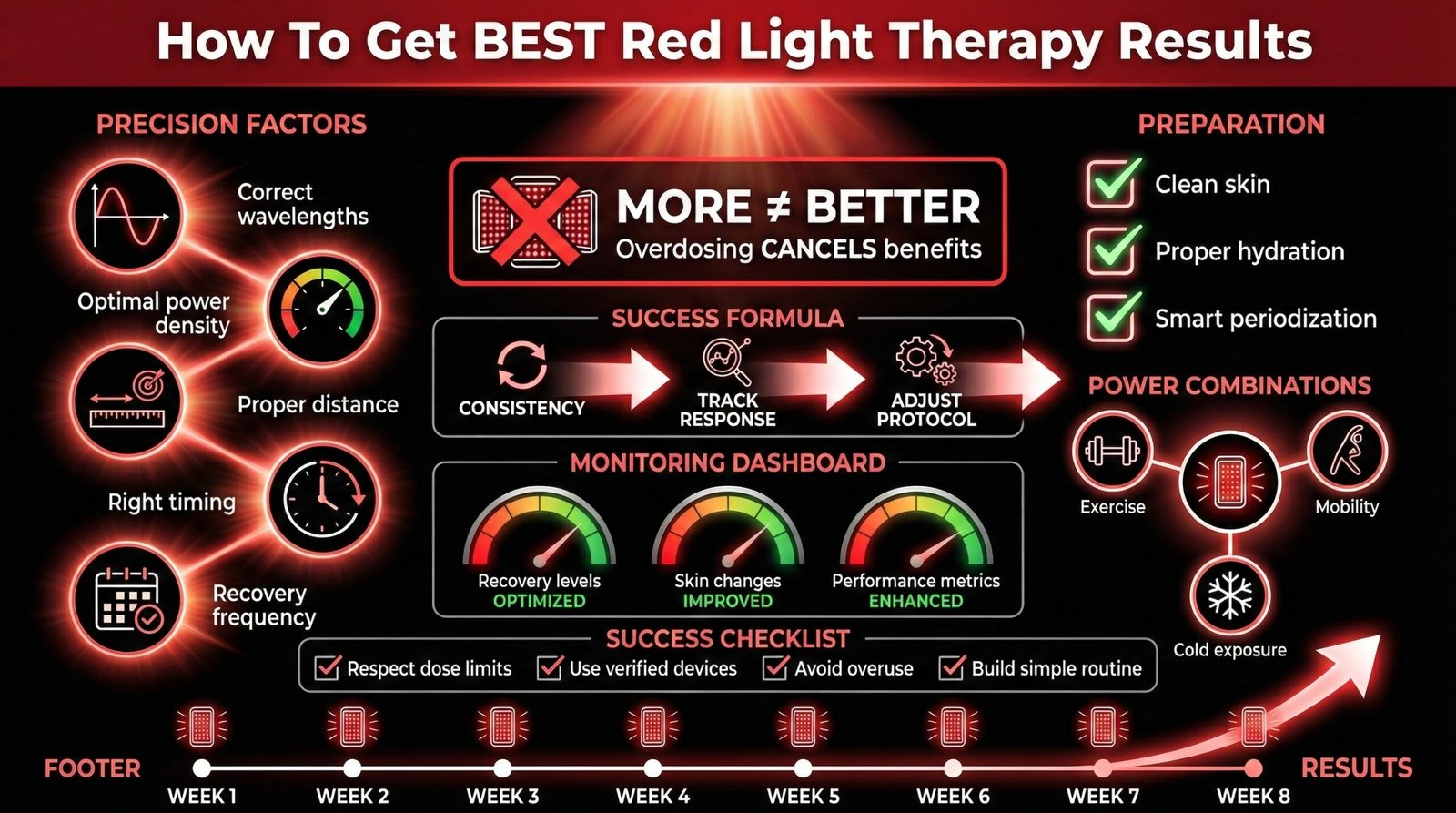
Quick Summary The best red light therapy results come from consistency, tracking response, and adjusting protocols over time. Personal variation matters, so monitoring recovery, skin changes, and performance is essential. Combining RLT with exercise, mobility work, or cold exposure enhances results. Success depends on respecting dose limits, choosing verified devices, avoiding common overuse mistakes, and
-
How Do You Get the Best Results with Red Light Therapy? Pt1
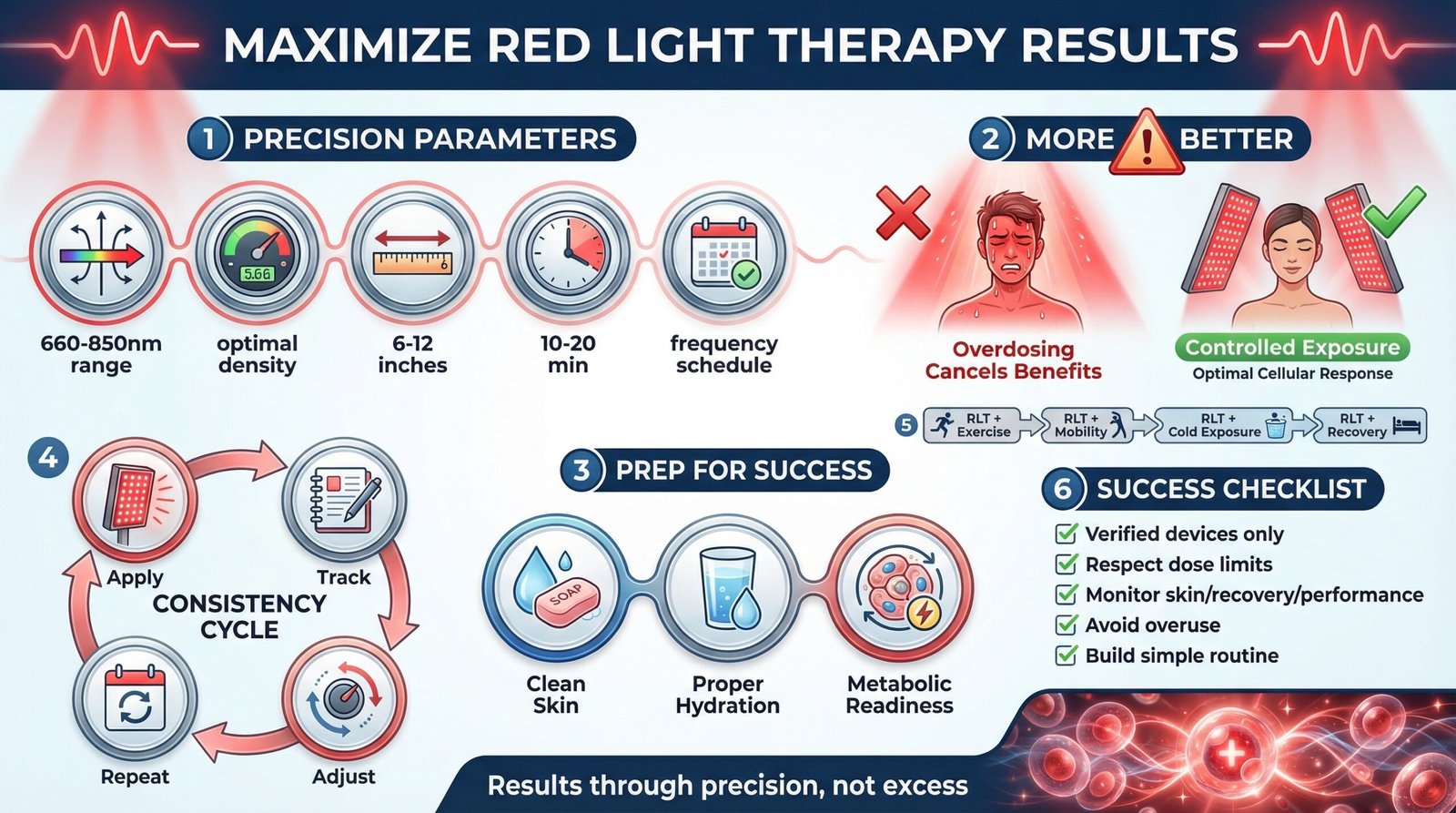
Key Takeaways Red light therapy works only when applied with precision. Results depend on hitting the right wavelengths, power density, distance, timing, and recovery frequency, while your cells are metabolically ready to respond. More exposure isn’t better; overdosing cancels benefits. Clean skin, proper hydration, and smart session periodization dramatically improve outcomes. Table of Contents Introduction:
-
Does Red Light Therapy Work for Tendonitis?
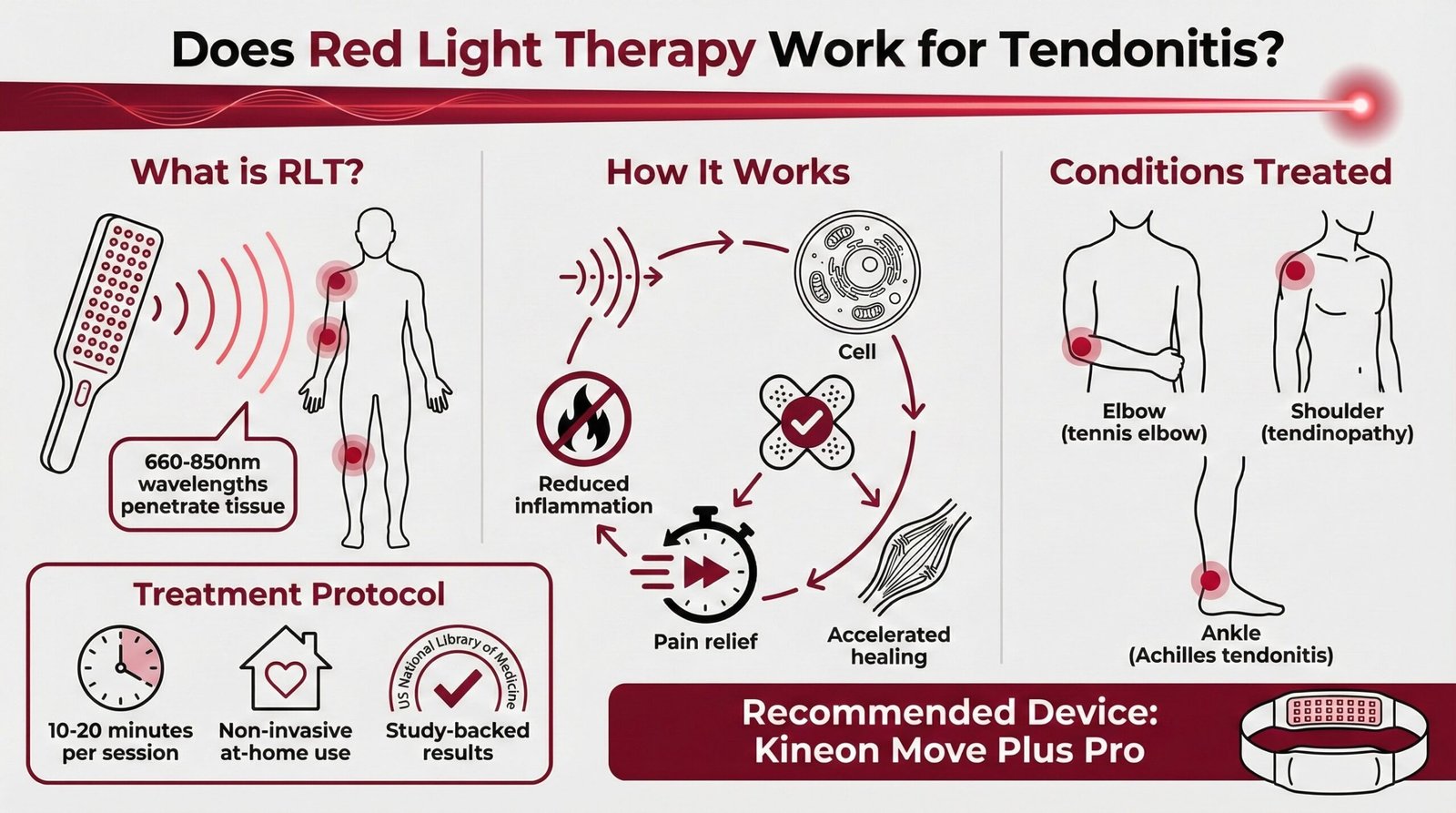
Introduction Red light therapy for tendonitis has moved from something you’d only find in professional sports clinics to a treatment people are trying at home with their own devices. I’ve been watching this shift happen over the past several years, and the results are genuinely interesting, though not quite as straightforward as the marketing materials
-
How to Use Red Light Therapy for Knee Pain
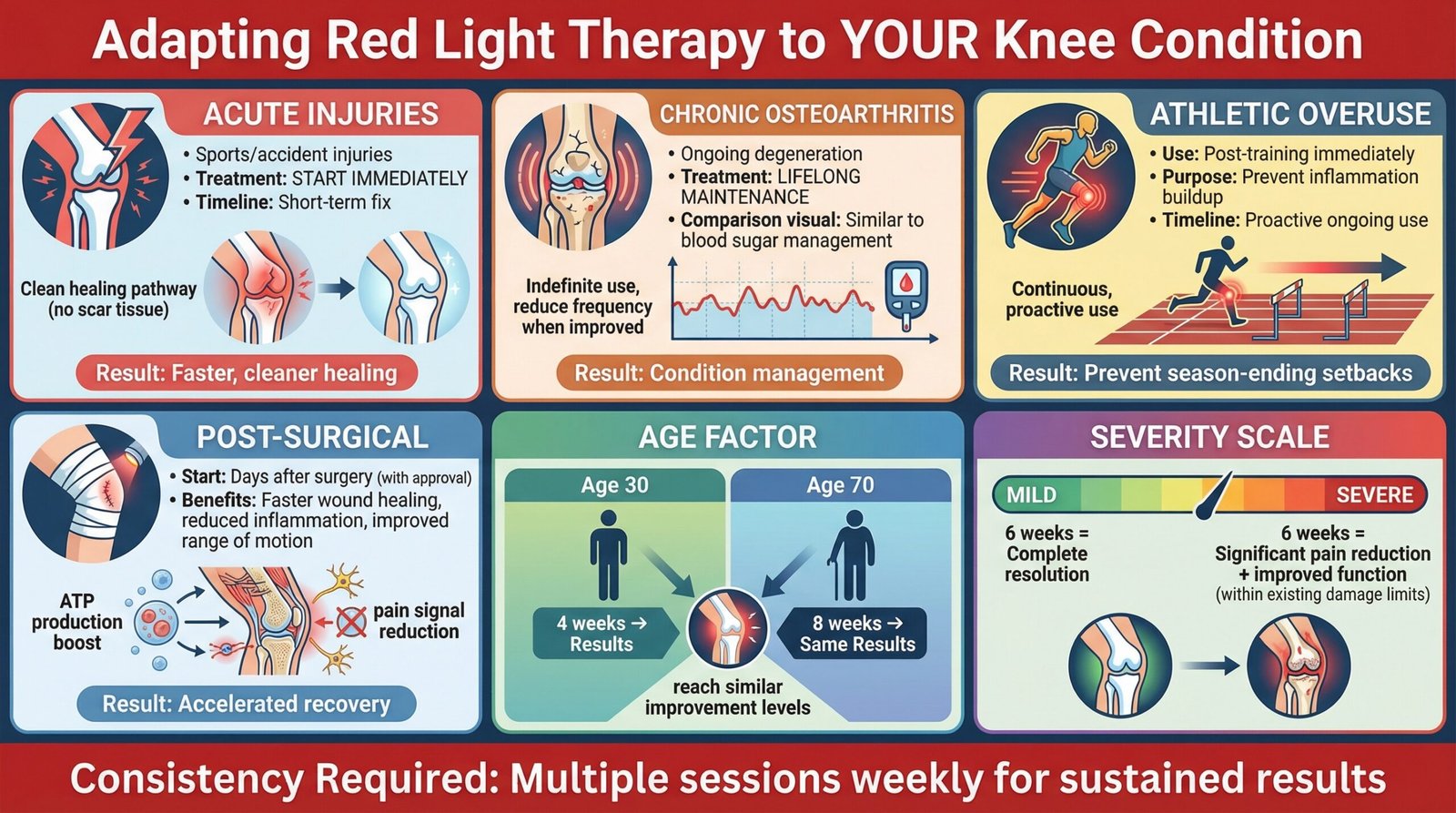
Quick Summary Red light therapy (RLT) helps relieve knee pain through non-invasive mechanisms: specific wavelengths (red ~660 nm for surface + near-infrared 808–850 nm for deep penetration) boost mitochondrial ATP production for cellular repair, reduce inflammation (lower cytokines, increase nitric oxide/blood flow), and modulate pain signals (endorphin release, nerve effects). It’s effective for osteoarthritis, acute
-
Red Light Therapy for Eczema: What Actually Works
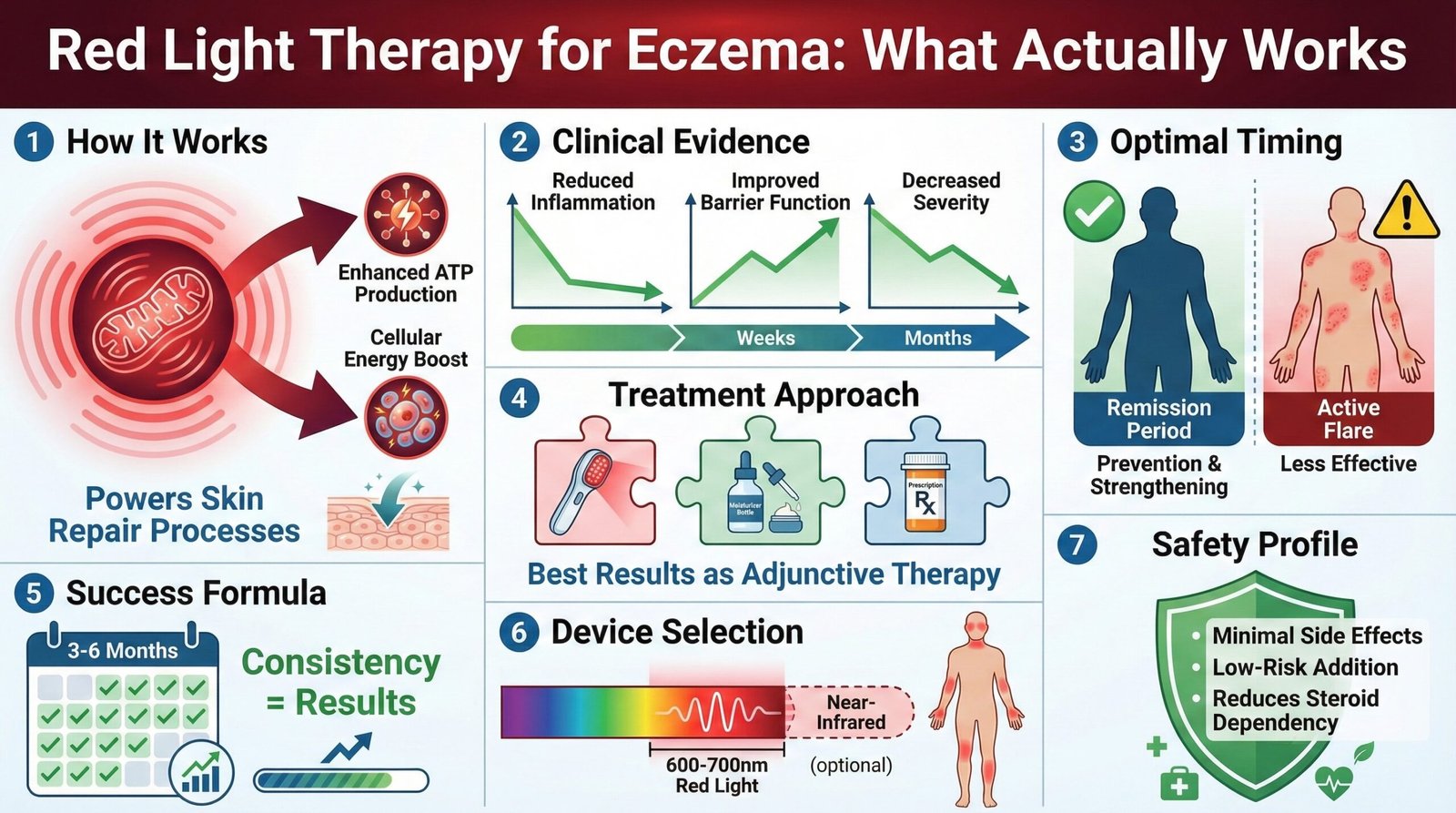
Quick Summary Red light therapy (primarily 600–700 nm) can help manage eczema as a safe, complementary treatment by boosting cellular energy (ATP), reducing inflammation, modulating cytokines, and strengthening the skin barrier. Clinical studies show 30–40% reductions in eczema severity scores (SCORAD), better barrier function, and symptom improvements with consistent use over weeks to months. Best
-
Can I Use Red Light Therapy in Pregnancy?

Quick Summary Red light therapy (using 630–850 nm wavelengths) is generally considered safe during pregnancy, as it is non-ionizing, boosts cellular energy (ATP), reduces inflammation, and helps with common issues like pain and swelling, without evidence of harm to the fetus. Benefits are encouraging, but research is limited; avoid direct abdominal exposure (especially in the
-
Red Light Therapy Side Effects: What Actually Happens When Things Go Wrong

Quick Summary While serious red light therapy side effects are rare, they typically stem from overexposure, poor-quality devices, or pre-existing light sensitivity. The most common red light therapy side effects include temporary skin redness, eye strain, and headaches. Red light therapy (RLT) is widely regarded as safe and non-invasive, but “doing it wrong” can lead